Ski Gear Shop – Choosara

Shop Smart for Your Ski Trip

Hand-picked gear to match your trip — no fluff, no overwhelm.
Each section includes a short buying guide so you know what actually matters before you spend.

Affiliate disclosure: As an Amazon Associate, Choosara earns from qualifying purchases. If you buy through links on this page we may receive a small commission at no extra cost to you. This never affects which products we recommend.

🎿 Essential Ski Gear

What actually matters

The three specs worth understanding before buying outerwear are waterproof rating, breathability, and insulation type.

  • Waterproof rating is measured in millimetres. 5,000mm handles light snow. 10,000mm is the sensible minimum for regular skiing. 20,000mm is what you want for wet coastal resorts like Whistler or spring conditions anywhere.
  • Breathability is measured in grams. Under 10,000g will leave you clammy if you ski hard. 15,000g or above is worth paying for if you work up a sweat.
  • Insulated vs shell. Insulated jackets are simpler and warmer out of the box. Shell jackets have no insulation and rely on your layers, which makes them far more versatile across changing conditions. If you only buy one and ski in varied climates, a shell plus a good mid layer is the more adaptable choice.

For goggles, the number to check is VLT — visible light transmission. A low VLT (10–20%) suits bright sunny days. A high VLT (40%+) is for flat light and snowfall. If you can only own one lens, something in the 20–35% range with a rose or amber tint handles the widest range of conditions.

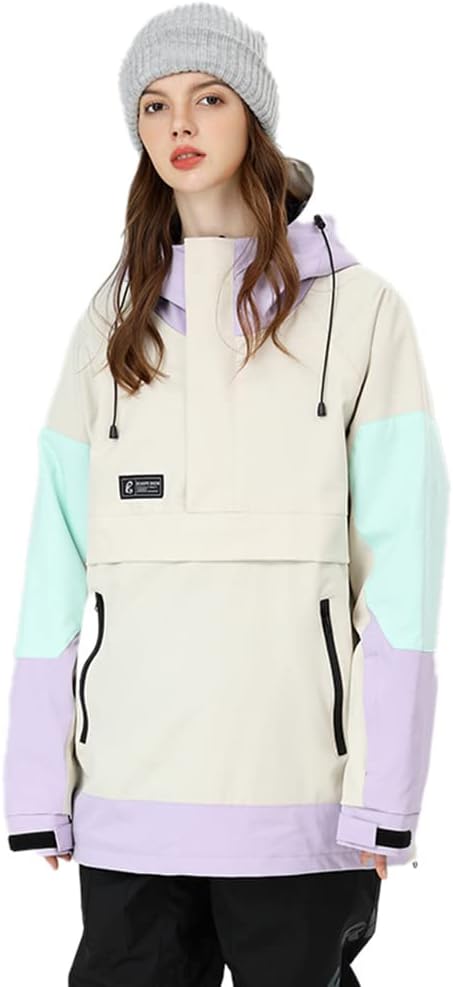
Best Budget Ski Jacket

Best Budget Ski Jacket

Reliable warmth without overspending. Perfect for beginners and casual skiers who ski a handful of days a season and do not need technical-grade specs. GREAT reviews

View Deal
All-Weather Ski Pants

All-Weather Ski Pants

Waterproof, breathable, and durable. Reinforced cuffs matter more than people expect — ski edges destroy unprotected hems within a season. Great reviews

Women’s Option Men’s Option
Top-Rated Ski Goggles

Top-Rated Ski Goggles, amazing price

Clear visibility in snow, fog, and low-light conditions. Anti-fog coating and decent ventilation are the two features that separate usable goggles from frustrating ones.

View Deal
ADD IMAGE URL
⚠ PLACEHOLDER — add your affiliate link and image

Ski Helmet

Rental helmets fit poorly and get worn by hundreds of people before you. If you ski more than a couple of days a year, owning one is worth it. Look for MIPS technology, adjustable venting, and a dial-fit system at the back.

View Deal
ADD IMAGE URL
⚠ PLACEHOLDER — add your affiliate link and image

Merino Ski Socks (Multi-Pack)

Counterintuitively, thin socks are warmer than thick ones. Thick socks compress inside a boot, cut circulation, and make your feet colder. Get thin merino socks that reach above the boot cuff, and never wear two pairs.

View Deal
ADD IMAGE URL
⚠ PLACEHOLDER — add your affiliate link and image

Neck Gaiter / Balaclava

The cheapest piece of gear that makes the biggest difference on a cold day. Covers the gap between helmet and jacket collar where wind gets in. Fleece-lined for deep winter, lightweight merino for spring.

View Deal

🏔 Beginner-Friendly Picks

Buy boots, rent skis

If you are buying one piece of ski equipment as a beginner, make it boots. Boots are the only part of the setup where fit is critical and rental options are consistently poor. Badly fitting rental boots are the single most common reason people decide they do not enjoy skiing.

Skis are different. Rental skis are genuinely good these days, they are matched to current conditions, and you avoid airline ski bag fees. Renting makes clear financial sense until you are skiing more than about seven days a year and have settled on a style.

On boot flex: beginners want a softer flex rating, roughly 60–80 for men and 50–70 for women. Stiffer boots transmit more power but are punishing if your technique is still developing. Do not buy stiff boots because they seem more serious — they will make learning harder.

Comfort-Fit Ski Boots

Comfort-Fit Ski Boots

Easy to wear, forgiving, and ideal for learning. Softer flex suits developing technique far better than stiff performance boots.

Kids Men Women
Beginner Skis

Beginner Skis (Easy Control)

Designed for stability and confidence on the slopes. Shorter length and softer flex make turn initiation easier while you build technique.

Kids Adult
ADD IMAGE URL
⚠ PLACEHOLDER — add your affiliate link and image

Ski Poles

Often forgotten when buying a setup. The sizing rule: turn the pole upside down, grip it under the basket, and your elbow should sit at 90 degrees. Aluminium is fine and cheaper than carbon for recreational skiing.

View Deal
ADD IMAGE URL
⚠ PLACEHOLDER — add your affiliate link and image

Wrist Guards / Impact Shorts

Particularly worth it for snowboarders and nervous first-timers. Wrist injuries are the most common beginner snowboard injury by a wide margin, and padded shorts take the sting out of the inevitable falls on hard-packed snow.

View Deal

❄️ Cold Weather Must-Haves

The layering system

Everything about staying warm comes down to three layers, each with a specific job:

  • Base layer moves sweat away from your skin. Merino wool manages moisture well and resists odour across multiple days. Synthetic is cheaper and dries faster but smells quickly.
  • Mid layer traps warm air. Fleece or light insulation. This is where most of your actual warmth comes from.
  • Outer shell blocks wind and water. Covered in the essentials section above.

Never wear cotton. Cotton absorbs sweat, holds it against your skin, and stops insulating once wet. A cotton t-shirt under a ski jacket is the most common reason people are miserably cold on the mountain.

On gloves: mittens are warmer than gloves because your fingers share heat. If you get cold hands or ski somewhere genuinely cold like Montana or interior Canada, choose mittens. And always bring two pairs — gloves get wet, and starting day two with damp gloves ruins the day.

Thermal Base Layers

Thermal Base Layers

Stay warm without bulk — essential for cold resorts. The most important garment you will wear, and the one people most often get wrong by reaching for cotton instead.

View Deal
Insulated Ski Gloves

Insulated Ski Gloves

Keep your hands warm and dry all day. Buy two pairs if you are skiing multiple days — rotating a dry pair each morning makes a bigger difference than any single upgrade.

View Deal
ADD IMAGE URL
⚠ PLACEHOLDER — add your affiliate link and image

Hand & Toe Warmers (Bulk Pack)

Cheap, tiny, and transformative on a genuinely cold day. Buy a bulk box rather than single packs at resort prices, which are marked up considerably. Toe warmers are the adhesive type that stick to your sock.

View Deal
ADD IMAGE URL
⚠ PLACEHOLDER — add your affiliate link and image

High-SPF Sunscreen & Lip Balm

Sunburn is the most common preventable problem on a ski trip. UV exposure at altitude is considerably higher than at sea level, and snow reflects it straight back at the underside of your chin and nose — areas people never think to protect.

View Deal

🧳 Travel & Convenience

Before you buy a travel bag

Check your airline’s ski baggage policy first. Some carriers treat a ski bag plus boot bag as one standard checked item at no extra cost. Others charge substantial oversize fees each way. That difference can exceed the cost of the bag itself over a couple of trips.

Padded vs unpadded: unpadded bags are lighter and cheaper but offer little protection. Padded bags weigh more — which matters against airline weight limits — but genuinely protect your edges and bases. Hard cases offer the most protection and cost the most in both money and weight.

Wheels are worth it. Dragging an unwheeled ski bag through a large airport with other luggage is genuinely unpleasant. This is the feature people most regret skipping.

One packing tip that costs nothing: wear your ski jacket on the plane and pack boots in your carry-on. Both are bulky and doing this frees up substantial checked luggage capacity.

Ski Travel Bag

Ski Travel Bag

Protect your gear and make travel easier. Check whether your airline counts skis and boots as a single item before deciding between sizes.

Best Option Budget Option
Boot Bag Backpack

Boot Bag Backpack

Carry boots, helmet, and accessories in one place. Backpack-style is far easier than a shoulder bag when you are also handling a ski bag and regular luggage.

Best Option Budget Option
ADD IMAGE URL
⚠ PLACEHOLDER — add your affiliate link and image

Boot Dryer

Putting on damp boots on day three is genuinely miserable. Not all accommodation has a drying room, and a portable boot dryer solves the problem permanently. Also works for gloves and liners.

View Deal
ADD IMAGE URL
⚠ PLACEHOLDER — add your affiliate link and image

Digital Luggage Scale

Ski gear is heavy and airline overweight fees are punitive. A pocket scale costs a fraction of a single overweight charge and removes the guesswork at check-in, particularly on the return leg when everything is damp and heavier.

View Deal

💡 Buy vs Rent: A Quick Framework

How to decide

  • Fewer than 5 days a season: rent everything except base layers, socks, gloves, and goggles. Those four are cheap, personal, and improve every trip.
  • 5 to 10 days a season: buy boots, helmet, and outerwear. Rent skis. Boots are the highest-impact purchase by a wide margin.
  • More than 10 days a season: buying skis starts to make financial sense, and you benefit from riding the same setup consistently as your technique develops.
  • Skiing with kids: seasonal lease programs at local shops are usually better value than buying, since children outgrow equipment annually.

One more rule that saves money: rent from a shop in the nearest town rather than at the resort base. Base-area shops charge a premium for convenience and are chaotic first thing in the morning. Town shops are cheaper, less rushed, and will take proper time over boot fitting.

Ski Hub Golf Hub Ski Shop Golf Shop